
Dothan, AL · Garage Door Service
Garage Door Repair for Headland, AL Homes
Headland homes built around 1980 run original hardware that Dothan-area parts houses barely stock. Here's what actually breaks, what it costs, and when to just replace it.
- Repairs & new doors
- Springs & openers
- Serving 8 nearby communities
Parts We Carry
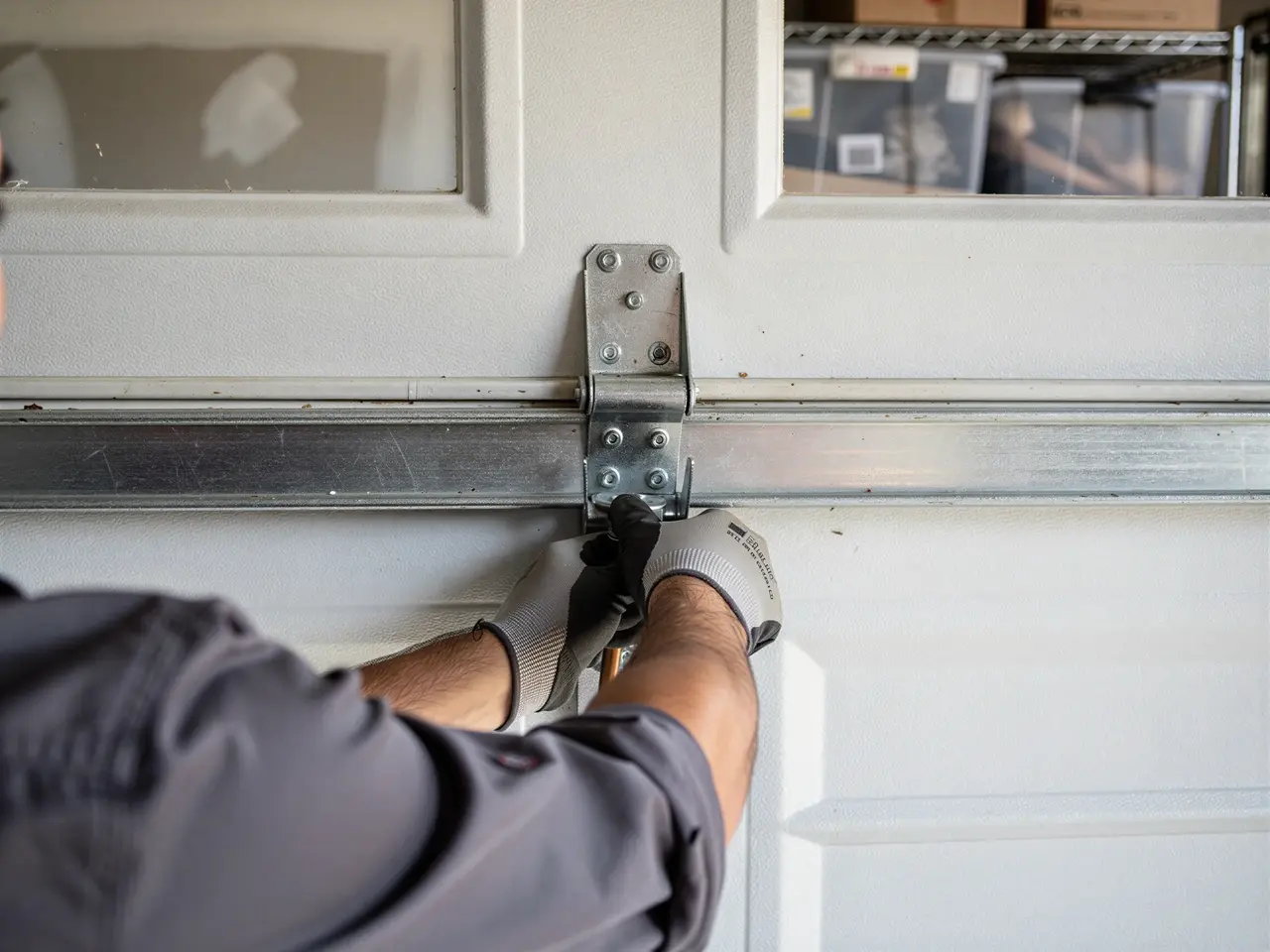
Most of what we load the truck with for a Headland call is picked for one thing: the door is probably original or close to it. Housing across this part of the service area went up mostly in the 1970-1999 stretch, median around 1981, and Headland's own stock centers on 1980. That means torsion springs sized for heavier single-layer steel panels, not the lighter insulated sections sold today. We stock standard torsion springs in the sizes that fit those older headroom setups, extension spring sets for the few garages still running them, galvanized cable, and steel rollers - not the nylon ones unless the track's already been swapped. Openers are the one part that's almost never original by now; chain-drive units from the 80s and 90s have mostly been replaced once already, so we carry current chain and belt-drive openers plus the circuit boards and sensors that fail on units installed in that first replacement wave. What we don't carry on the truck: specialty glass-panel inserts or custom wood door hardware. If a Headland door needs one of those, it's an order-in part, and we'll tell you that before we quote the job, not after.
How Long It Takes
The call comes from our shop in Dothan, roughly nine miles out, and that drive is the only variable we control before we're standing in front of the door. Once we're there, the time on a job depends on what's actually wrong and whether the part is on the truck. A torsion spring swap on a standard double door is a same-visit job if the spring size matches what we stock, which it usually does for houses built around 1980. A broken opener circuit board, a bent track from a backed-into panel, or a cable that's frayed down to a few strands - those are also same-visit repairs with stock parts. What slows things down is anything custom: a non-standard door width, a wood door with warped panels, or hardware that was already modified by a prior repair that didn't match the original spec. We don't quote a fixed window for those because we genuinely don't know until we see it. That's not evasive, it's the honest answer - guessing a time and missing it helps nobody.
The DIY Question
Headland's median household income runs $82,736, well above the $54,286 median across the wider area we cover, and that number matters here because it changes the math on whether a repair is worth doing at all versus just replacing the door. At that income level, a $300 spring job on a door that's otherwise sound is an easy yes. But torsion springs are under real load - enough to break a hand or worse if you don't know the setup - and that's true whether you live in a $150,000 house or a $400,000 one. We won't walk you through spring replacement over the phone, and any guide that tells you it's a weekend project with hand tools is leaving out the part where people get hurt. What you can safely check yourself: loose bolts on the track brackets, a dirty photo-eye sensor, worn weatherstripping, or a roller that's visibly cracked. None of those need a truck. A spring, a broken cable under tension, or a door that's come off its track does.
How We Fix It
We start by checking the door against what the house actually needs, not against a generic checklist. On a 1980-era Headland house, that usually means confirming spring size against door weight before touching anything, because a mismatched replacement spring is how a door ends up slamming or refusing to stay open. For a broken spring, we unload the existing tension safely, measure the door and drum size, and install a matched pair rated for the panel weight - not a universal spring that's close enough. For opener failures, we test the circuit board, the motor, and the sensors separately before replacing anything, since swapping a $200 board when the real problem is a $20 sensor wastes your money. For track or cable damage, we check the header and jamb for square first; a door that's been fighting a crooked track for years often needs more than a part swap to run right again. We test the full cycle - open, close, auto-reverse - before we call the job done, and we show you what we replaced and why.
The Complications
The climate band for this area sits in the moderate-heat range, which is kinder to garage door hardware than the deep South's humid coastal zones - less rust pitting on springs and track, slower breakdown of lubricant on rollers. That's the good news for a 1980-built Headland garage. The complication is age, not weather: a door that's been running the same springs and cables for four decades is closer to its wear limit regardless of how dry the summers have been. We see galvanized cable that's held up fine cosmetically but has internal strand fatigue you can't spot without flexing it under load. We also see openers from the first replacement wave - units installed in the 90s or early 2000s - hitting end of life on circuit boards that are no longer made, which means a repair quote sometimes turns into a replacement recommendation mid-visit. We'll always tell you when that's the case rather than patching a board that's going to fail again in six months.
What You Are Seeing
A door that groans or jerks partway through its cycle on a Headland house built around 1980 is usually a spring losing tension, not the opener - the motor's straining to do a job the spring used to help with. A door that reverses right after it starts closing is almost always a misaligned or dirty photo-eye sensor, an easy check before you call anyone. A door that's gone noticeably heavier to lift by hand means a spring has already given out or is close to it; don't force it open, since the remaining tension can snap unevenly. Cable that looks frayed or kinked near the bottom bracket needs replacing before it fails under load, not after. And a door that sits slightly crooked when closed, even by half an inch, usually points to a cable or track problem rather than the opener - pushing the opener harder to compensate just wears the motor faster without fixing the actual issue.
Frequently asked questions
Why does the repair take longer for some Headland doors than others?
Houses here are mostly from around 1980, so standard torsion springs, cable, and rollers fit most jobs and get done the same visit. Non-standard door widths, wood panels, or hardware that's already been modified by a prior repair are the jobs that need an order-in part, which adds time.
Is it worth replacing a 1980s door instead of repairing it?
Depends what's failing. A spring or cable on an otherwise sound door is almost always worth repairing. An opener with a dead circuit board on a model no longer manufactured, or a door with several aging systems failing close together, often makes more sense to replace outright rather than patch piece by piece.
Do you have a shop in Headland?
No - we're based in Dothan, about nine miles out, and we cover Headland from there. There's no local branch or drop-in counter here, so calls are scheduled and the truck comes to you.
Does the climate here cause extra wear on garage door parts?
This area sits in a moderate-heat climate band, which is easier on metal hardware than humid coastal zones - less rust on springs and track. Most of what we see failing on older Headland doors is straight age and wear, not weather damage.
More garage door services in Headland
Book garage door service in Dothan
Call now or request a quote - tell us what the door is doing and where you are.